













Improve your ranking on Google Shopping and sell more
88% of users say Plytix’s AI tools have improved their listings and increased their ranking on Google Shopping.
Upload your products to Google Shopping 6x faster
Customers report uploading 6x faster with Plytix, and say it’s a smoother, easier process.
Get products approved the first time
95% of Plytix users confirm that they no longer get their product data rejected by Google Shopping.






Rank higher and sell more
Download this quick guide with all the best practices and SOPs that actually work for Google Shopping
From Plytix to Google Shopping. How it works:

Pick the Google Shopping template
Plytix has a built-in channel with all the required fields for your Google Shopping feed. Just click “Add Channel” to get started. Plytix keeps this template updated so it always reflects Google Shopping’s most current specifications.


Match your attributes
Match your Plytix attributes with the prepopulated Google Shopping fields.


Select your products
Choose the products you want to upload to Google Shopping. Then, process your channel and copy the ready-to-go feed URL.


Upload your products to Google Shopping
Take the feed URL and upload it directly to Google Merchant Center. And that’s it! Your products are now live on Google Shopping.


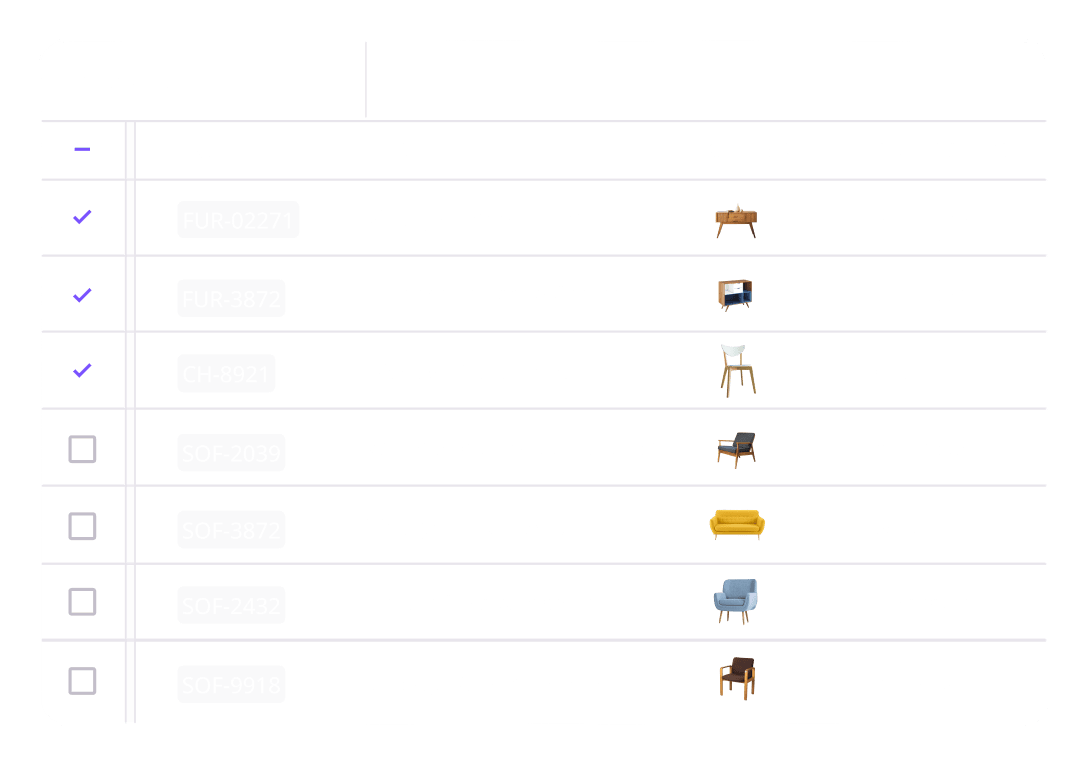

For a detailed step-by-step guide, click here
What are the benefits of using the Plytix PIM feed template for Google Shopping?
Always up-to-date product data
Your listings automatically pull the latest information straight from Plytix. No more broken spreadsheets or outdated listings.
Automatic data formatting
Apply formulas and transformations so your fields match Zalando’s requirements, template structure, and allowed values.
Reusable, flexible feed templates
Stop rebuilding the same flat files over and over. Save and reuse templates for different products, categories, or regions with no copy-pasting.
Built-in validation and AI optimization
Never send incomplete listings again. Use completeness checks to validate your feed, then let AI handle translations, copy edits, and SEO tweaks
Smarter digital asset management
Enhance your product images right in your feed. Resize, rename, remove backgrounds, or change file formats without touching the originals.
Plytix has successfully been sending product data to Google Shopping since 2018
Google Shopping is like the digital shelf everyone trusts. When your products show up here, customers know you mean business. It’s where people go when they’re ready to go from browsing to buying.
Google Shopping uses Google Ads and Google Merchant Center to power the magic, with the Merchant Center acting as a home base for your product feed.
If you’re looking to build credibility, visibility, and sales without the guesswork, Google Shopping is the place to be. Plus, once you’re in, you’re right where customers are already searching.

See how Plytix can help your feeds perform better everywhere you sell.
FAQs
No, the Google Shopping feed template in Plytix isn’t a live integration, so you just need to paste your Plytix feed URL into Google Shopping manually. While some tools specialize in live connections, Plytix is the best way to build a perfectly formatted product feed that meets Google’s specifications.
You can use Plytix to generate a complete feed file from your product data, then upload it directly into Google Merchant Center. Plytix handles all the data formatting, mapping, and consistency work, so you can skip the spreadsheets.
You can update your Google Shopping feed template as often as you need. Once you’ve mapped your data fields, your data is automatically updated in your feed every time it’s processed.
Whether you’ve added new products, updated stock, or adjusted prices, your data stays accurate in your Google Shopping listings. No manual remapping or spreadsheet edits needed.
Yes, you can set up multiple feed templates for different product categories, countries, or accounts. Each template keeps its own field mapping and configuration, helping you stay organized and manage your global campaigns more efficiently.
Because manually filling out Google Shopping feed templates can take forever. Google requires specific field names, formats, and attributes, and missing or incorrect data can lead to listing errors or rejections.
With Plytix, your Google feed is automatically generated from your PIM, filled with up-to-date product data. No broken formulas, no mismatched attributes. Just a clean, compliant file ready to upload to the Merchant Center.
Nope, no need to keep duplicates of your data. Each marketplace has its own requirements on the character limit in your product titles, the decimals in your price, your image size and background color… just to name a few. So we definitely don’t expect you to keep all those different versions of the same info. Instead, you can quickly format that data for the specific marketplace you’re working with right in your Plytix channel, so the data is only changed in your template feed, not your Plytix account.
Yes, you can easily keep content for different markets, audiences, and languages right in Plytix. You can group content for the same market so you can quickly find and edit it, and even create completeness attributes to make sure all the fields for a given market are filled out before they’re added to your feed template. And the best part is, you don’t need to create that content from scratch; Plytix AI can localize content for different markets, all while following your tone of voice and keeping it optimized for your sales channel.
You can use smart lists so that only products that meet your criteria are added to your feed templates. Set your conditions (like, “Completeness is equal to 100”), save them into a list, and add them to your channel. Anytime a product matches those conditions, it will be automatically added to your feed template.
Google’s required attributes depend on your product type, category, and region.
To find the exact requirements:
- Visit your Google Merchant Center
- Review the feed specifications for your product category
- Download the reference template
- Upload it into a Plytix channel and map your product data accordingly
- Once your feed is ready, paste it into Google Shopping. No manual tweaks or rejected uploads.
Yes, you can sync all your digital media from Plytix. Plytix has an integrated DAM (Digital Asset Management) that lets you store most asset formats so you can organize and edit all your digital files in one place. You can even format your images for a specific feed template using AI, so it matches the requirements of your marketplace.