
plytix retailer templates
Create better product content for all your retailers, faster than ever
Get started












Enriched product listings
Create high-quality, retailer-ready product content in Plytix with built-in AI for text and visuals.
Automatically formatted
Upload a retailer template once, map your attributes, and let Plytix output the final file.
Always up-to-date
Share a live feed link with your retailers, so they always have the latest product data.
From Plytix to your retail partners. How it works:

Upload your retailer template
Upload the exact file with the fields your retail partner requires.


Map your attributes
Match your product attributes in Plytix to the partner’s required fields.


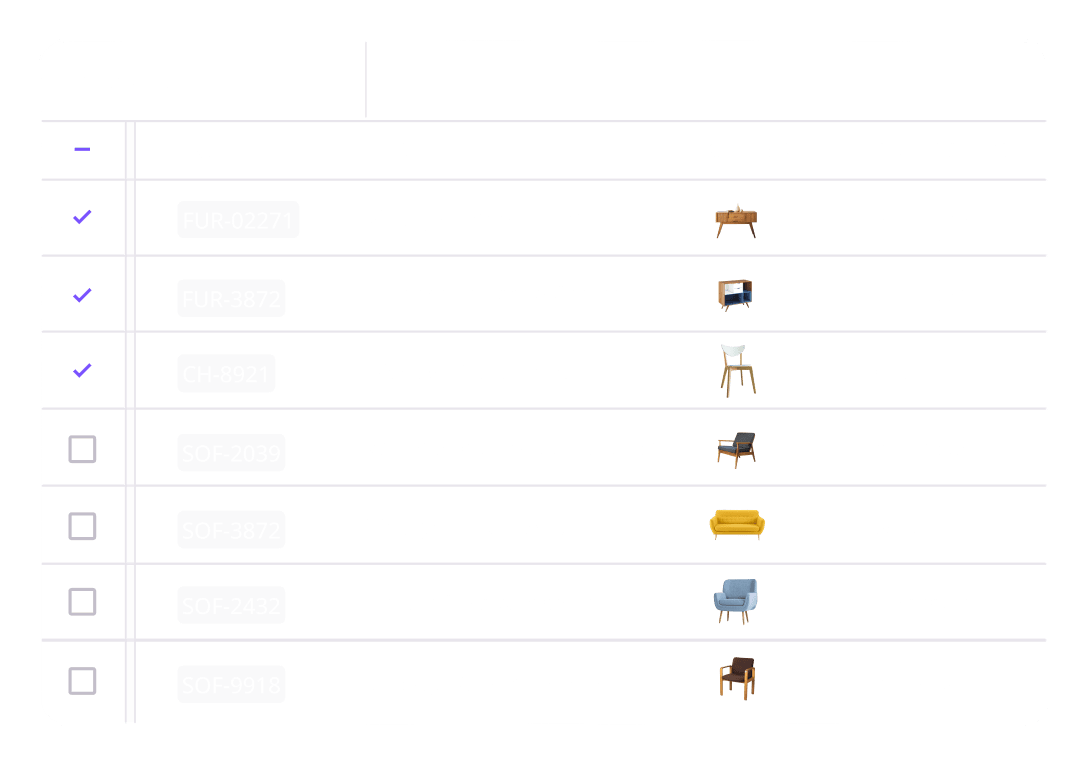
Select your products
Choose the products you want to include in your retailer feed. Then, process your channel to create a shareable feed URL.


Share the feed
Share the live feed URL with your partner. The feed will automatically get data from your PIM, so it’s always up-to-date.


For a detailed step-by-step guide, click here
Ranked #4 in G2's Best Commerce Software Awards 2026
See full report from G2 crowdUpdate copy and images for 1,000s of products at once
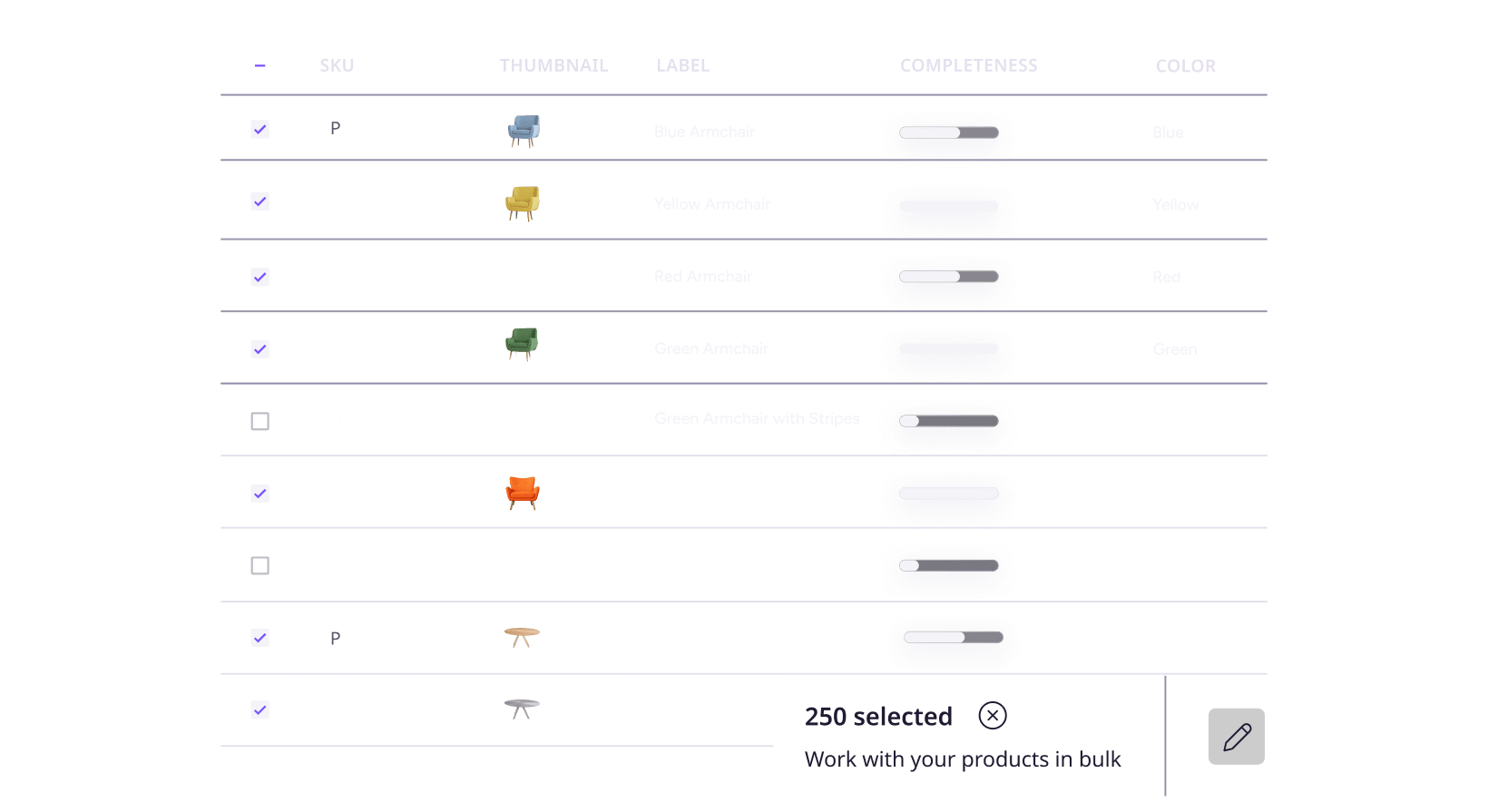
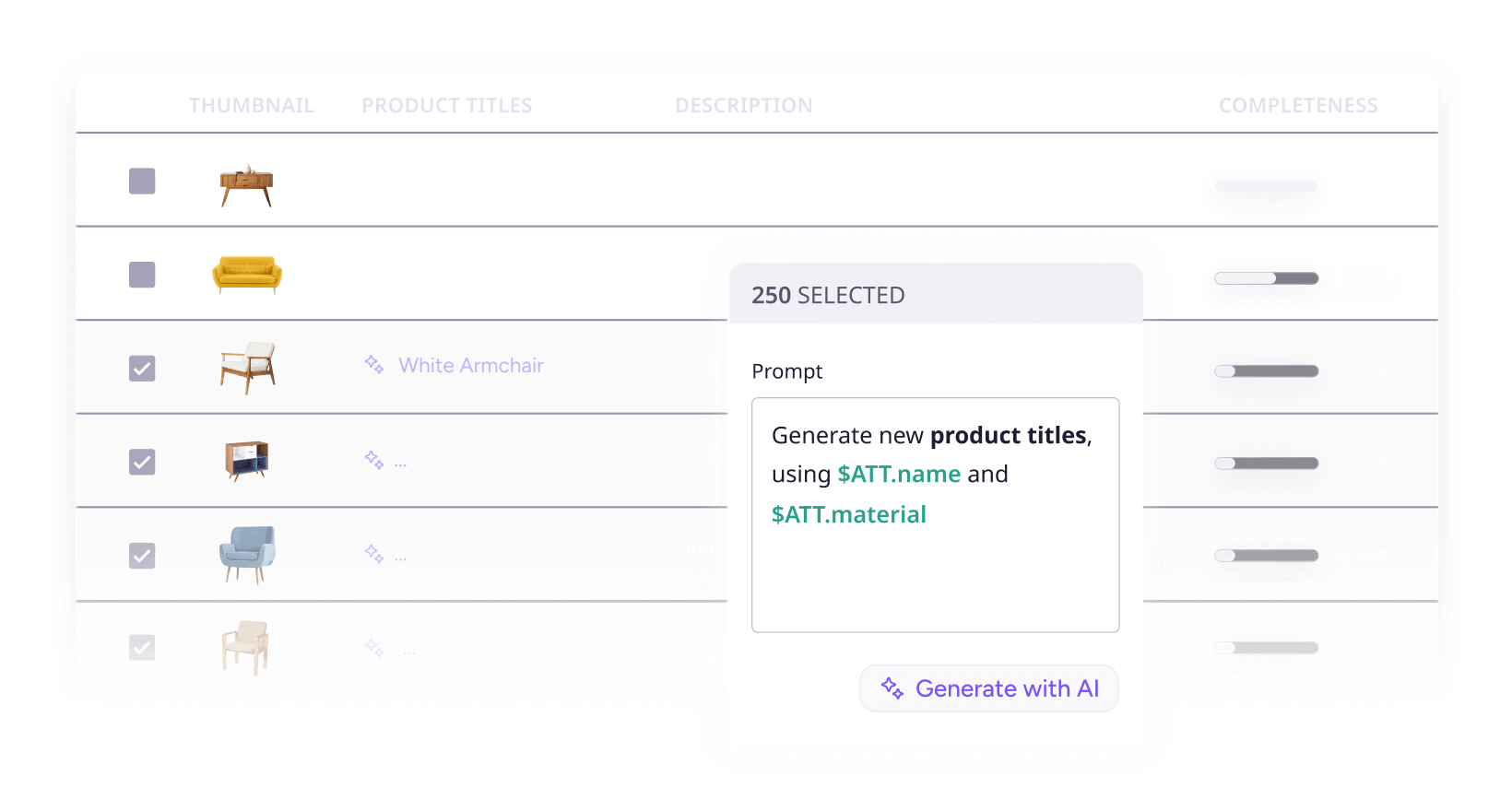
Let AI autofill, translate, and optimize your content
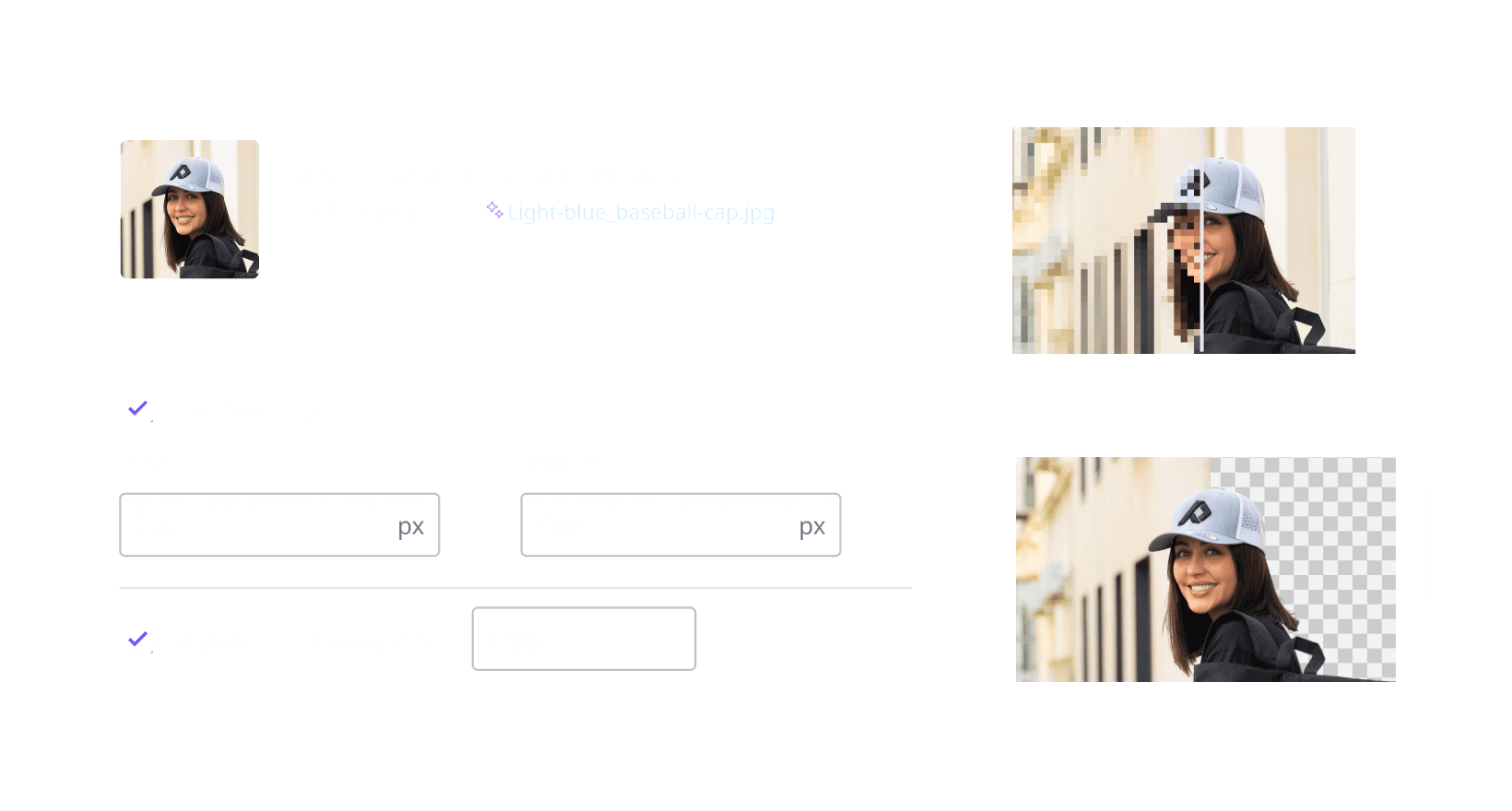
Upscale, resize, rename, and auto-format images with AI
Generate high-quality feeds in flexible formats

Top 5 things customers love about Plytix
1. Extremely user-friendly

Scott Lee
Ecommerce Merchandising & Operations Manager, Maven Lane

2. Incredible customer support

Fanny Brin
Head of Ecommerce, El Machetazo
3. Robust AI tools

Natália Filpi
Digital Merchandising Specialist, Smart Age Solutions
4. All the features you need

Mihail M.
Graphic Designer at Al Fakher Holding USA
5. Fair pricing

Matthew Freeman
VP of Marketing at Tie Down

The best place to manage your retail product content

AI that knows your brand

Built for team collaboration

Free to use, made for growth
Turn your retailer content into a competitive advantage
FAQs
You can send product content to your retailers by creating a Retailer Template in Plytix. Upload your retailer’s file, map your attributes to their required fields, and choose the products you want to include. Once you process the template, you can share a live feed link. Your retailer receives the exact format they need, and any updates you make in Plytix automatically flow into the feed.
You can include any product information you have in your Plytix account in your Retailer Templates. Think descriptions, prices, SKUs, images, videos, and more.
When you upload a retail partner’s template, Plytix automatically matches their required fields with attributes in your account. But don’t worry, you’re in control! You can tweak any auto-matches, choosing the exact product information you want to assign to each column in the template.
Yes! Just like any other product content, you can add links to all your digital media in your Retailer Templates. Just match your media attributes to fields in the retail partner’s template, and the links to your digital assets will be automatically included in the feed.
Absolutely, you can create as many retailer feed templates as needed. Each template can have its own list of products, language, pricing, attribute mapping, and content rules. Update your content in Plytix and generate separate files for each retailer without copy-pasting information into spreadsheets.
Absolutely, you control which products and attributes are included, and add transformations for text and visuals that are unique for each template. You also choose the export format (CSV, XLSX, XML, NDJSON) that’s best suited for each retailer.
Yes, Plytix makes sure your listings are ready through completeness attributes. You can flag missing fields, correct errors, and ensure that only fully complete products are sent to your store before they’re live (no more “oops” moments). On top of that, you can schedule updates so that any changes made to your products are instantly reflected in your store. This way, your product data stays consistent and up-to-date.
Yes! Plytix makes managing variants simple. Any updates you make to a parent product automatically flow down to its variants, so you never have to manually copy and paste changes across multiple products again.
Plytix also supports three-level product structures, so you have full control over how information is shared across those levels. Whether you’re managing sizes, colors, or patterns, you can decide what stays inherited from the parent and what can be customized, saving you time and keeping your store organized and consistent.
Think of Plytix AI as your personal content expert that knows your products. It’s trained using the best LLM for product content optimization and works directly in the context of your products. It references the content you already have, so there’s no need for manual exports, copy-pasting, or juggling multiple spreadsheets. Using this data, Plytix AI generates content from scratch, optimizes listings for SEO/AEO, and suggests improvements tailored to specific audiences or sales channels, all while staying consistent with your brand’s tone of voice.
And it doesn’t stop at text: Plytix AI also edits and enhances your product images, so they look polished across your store. With one tool, you can create, optimize, and scale high-quality product content for multiple products at once, saving hours of manual work to create listings that are actually made to sell.