
Online shopping has become a huge part of our lives.
Just last year, over five billion people used social media worldwide, and the social commerce market is evolving at an explosive rate. And, while we thought e-retail sales would be the only thing to see such positive growth, the new kid on the block, social commerce, is making huge waves in the ecommerce industry.
According to recent industry forecasts, the global social commerce market is expected to surpass 1 trillion USD by 2028, a massive leap from previous years. For example, Shopify, which supports over 1.7 million merchants, continues to expand this trend. If you have a Shopify store, you can seamlessly connect your store to Facebook, Instagram, and TikTok to allow customers to shop directly through these apps.
This will ensure you’re a part of the exciting growth that’s already happening.
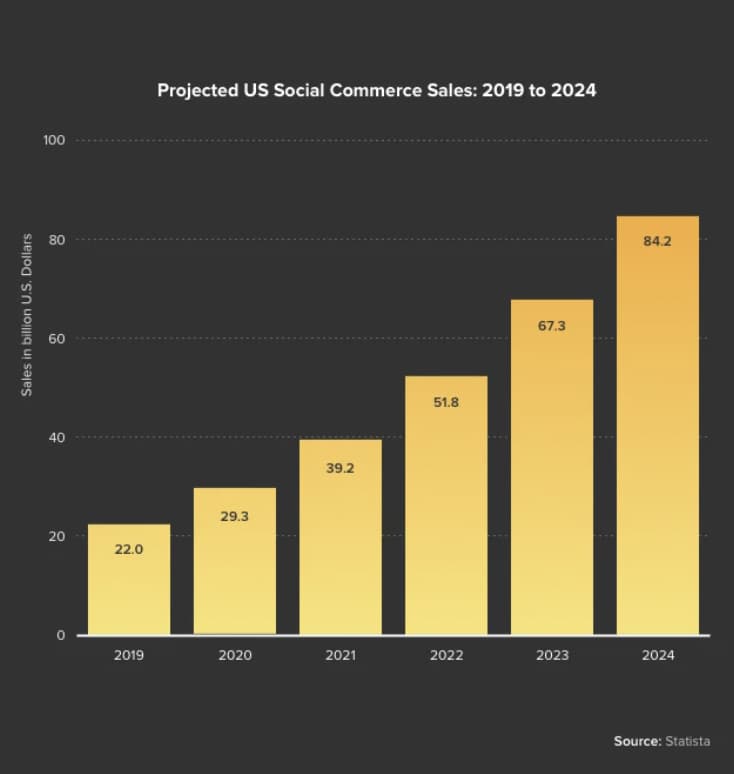
But, social commerce is a complex landscape. Not knowing exactly what it entails can stop you from leveraging the opportunities that come with it.
So, what are the opportunities in social commerce?
It makes no sense for us to just tell you to hop on the social commerce bandwagon without highlighting its opportunities and challenges. Let’s get into it.
1. It can reduce cart abandonment from mobile users
Ecommerce does have its shortcomings. And for most, it’s cart abandonment, especially on smaller devices such as tablets and smartphones. Recent data from the Baymard Institute shows the average cart abandonment rate remains high, at just over 70% across all industries.
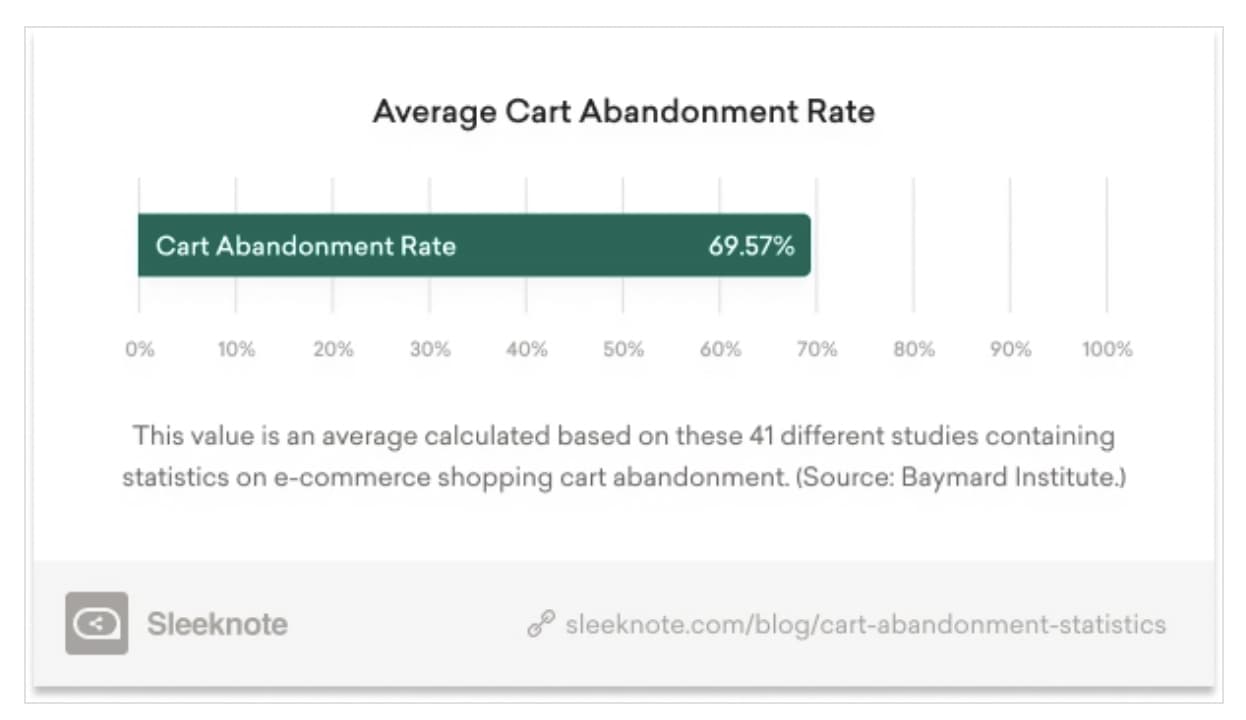
Mobile users are known for the highest cart abandonment rate compared to desktop users, reaching as high as 80.2% on mobile devices, so this is where social commerce can be a game-changer.
“People spend a majority of their time on their phones, and they will leave if your website isn’t mobile-friendly. During a customer’s journey, it’s important to ensure that it’s frictionless, as this is what results in them abandoning their cart” – says Harry Johns White, Marketing Specialist at NBAblast.
People spend a majority of their time on their phones—averaging about 2 hours and 21 minutes daily on social platforms—and they will leave if your website isn’t mobile-friendly. During a customer’s journey, it’s important to ensure that it’s frictionless, as this is what results in them abandoning their cart.
By creating a buying experience through social media, you’re allowing your customers to see an item they’re interested in while scrolling, click on it, review it, read the comments, and purchase it without leaving the app. This makes their shopping journey easier, and it can provide a higher chance of a conversion.
Think about it, if your customer has to first see your product on their feed, go to your website using their mobile device, only for it to have a slow loading speed, they will leave. Before they even have the chance to scroll through your web store, add it to their cart, and then proceed to fill in their payment and shopping details.
Looking at it from this angle, a lot can unwillingly distract them from completing their purchase. The point is to eliminate those distractions, especially on mobile.
2. It creates a “social” experience for your customers
Let’s be honest, online shopping isn’t social at all.
According to current consumer research, 66% of shoppers are looking for convenience and a social shopping experience when they choose where to shop. While the shift to digital has changed habits, social commerce can replicate the social experience that comes from shopping at traditional stores.
With social commerce, customers can:
- Utilize tools like visual galleries to see your product in a real-life setting.
- See their favorite influencers and other customers who have tagged your brand, giving them an idea of how your product can fit their lifestyles.
- Have direct access to reviews through the comment section.
- Engage with their friends regarding a purchase on social media.
Overall, it creates a better relationship with your brand on a personal level.
3. It’s a lucrative business opportunity
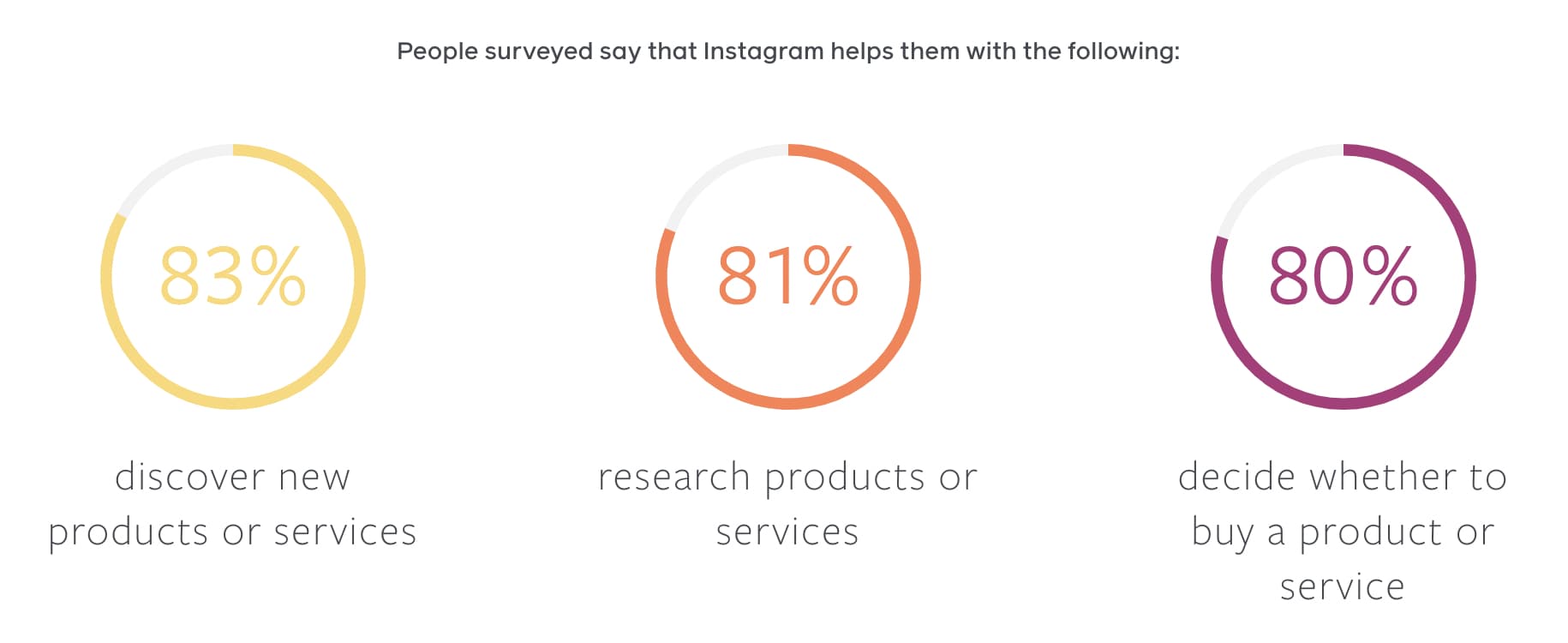
As mentioned, ecommerce has seen immense growth in the last few years. But, for you to benefit, you need to be where your customers are. Did you know that 81% of consumers research products on social media apps like Instagram and Facebook? This is especially beneficial if your target market is Millennials and Gen Z because they use these apps to discover new trends.
If the global social commerce market is set to push past 1.2 trillion USD by 2028, you want your business to be a part of that growth. Apps like Instagram, Facebook Shops, and Pinterest are seen as powerhouses for social commerce. TikTok Shop has also become a juggernaut, having recently deepened its integration with Shopify to allow brands to monetize through a radically shortened funnel within the app.
But, what are the challenges you should expect?
Nothing comes without challenges, and social commerce is no exception.
1. Some customers will still choose marketplaces
When a customer thinks of online shopping, their first thought is Amazon or any other popular marketplace. And, truth be told, they may opt to stick with what they know and trust. But, this doesn’t mean you shouldn’t focus on social commerce but instead, it highlights the importance of omnichannel distribution.
You shouldn’t choose between one or the other but rather do both. Different platforms cater to various customers, and selling on all those platforms can bring in more sales and grab a customer’s attention regardless of where they are.
To effectively do that, you need the appropriate content for all of those channels. But, where do you keep that content? Spreadsheets? What about your digital assets like images? Are they in a Dropbox folder? That’s a very old-school way of managing product data! The answer should be, in a data management tool.
Using Plytix, the best PIM for your Shopify, you can create and store content, data, and media assets that you want to post on various channels. This ensures you create an omnipresence wherever your potential customers are, making sure nothing hinders their experience.
2. The reach on social media is limited
One of the social media challenges, according to Pew Research Center, is that while most Americans use social media to connect, the space is increasingly saturated. To ensure business growth on social channels, you’d need to ensure you create rich and engaging content.
Moreover, you should care about social media product reviews. Don’t lose customers to your competitors because you’re providing them with the information they need to make the purchase decision. By using a product content management system, you can create rich product information that will keep your customers informed, create credibility and trust, and help you rank better.
Tip: Email marketing is a great way to share your newly-created content with your target audience and the proof is in the pudding, as they say.
3. Choosing the wrong social platform for your needs
While you want to influence various platforms to attract customers, it is a waste of time and resources if you don’t do your research and see which social media platforms work for your target audience. For instance, if you want to attract Millennials and Gen Z, then your best bet is Instagram and TikTok as they spend most of their time there. Whereas older demographics still prefer Facebook. Although those are the stats, you need to ask yourself:
- Is your target audience on these platforms?
- Do you currently have an engaging audience on those platforms?
- Would it make sense for your brand to sell there?
- Do you have the means to create meaningful content there that will get your customers to purchase?
One of the biggest social commerce challenges is selling where it does not make sense. Make sure you take note of your audience’s demographics, such as age and gender, to see where you’ll get the best response.
Growth in social commerce comes with a PIM
If you know that social commerce has opportunities for your business that you can’t miss, go for it! It is, after all, the future of selling online. But, as your business grows on these various platforms so does your data management.
Cut back on your data management time with a Plytix PIM.
A PIM system can help you create high-quality content that will not only bring your customers to your social platform but also inform them of your product, which can ultimately turn into a sale. You won’t have to worry about scattered data as you’ll have a single source of truth that can efficiently manage your data for various channels and ensure a consistent brand tone regardless of the platform!
Talk about omnichannel success made easier!