
-
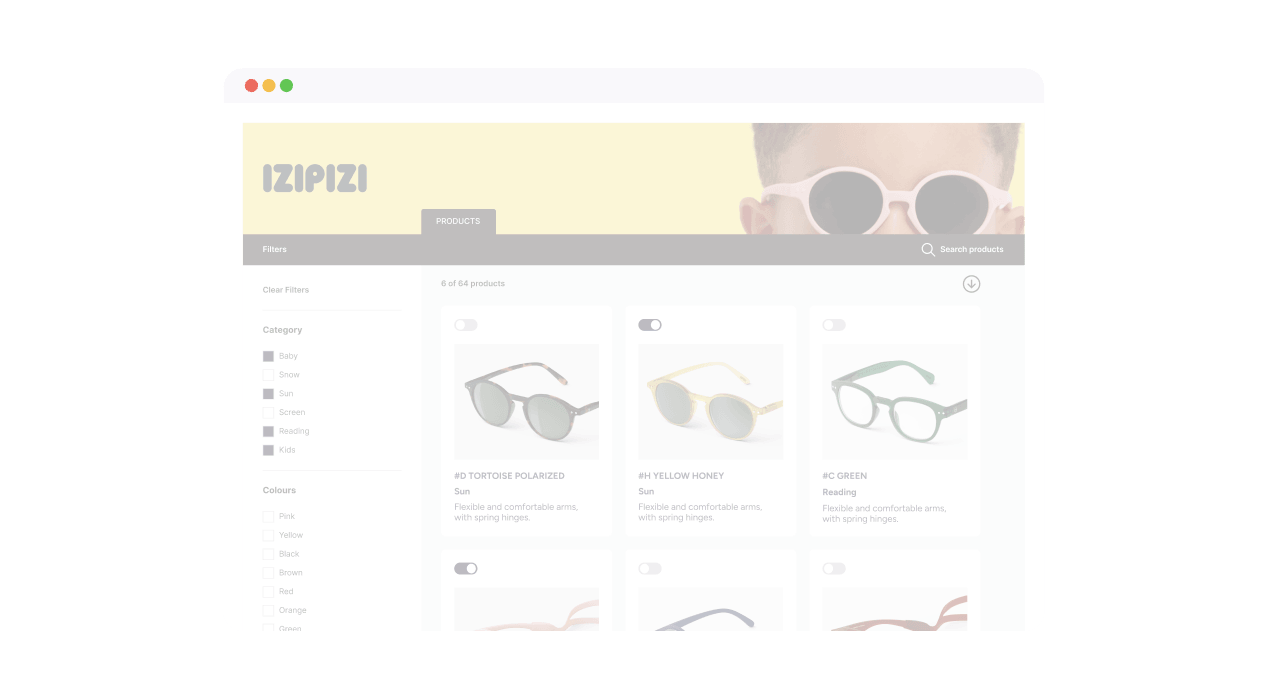
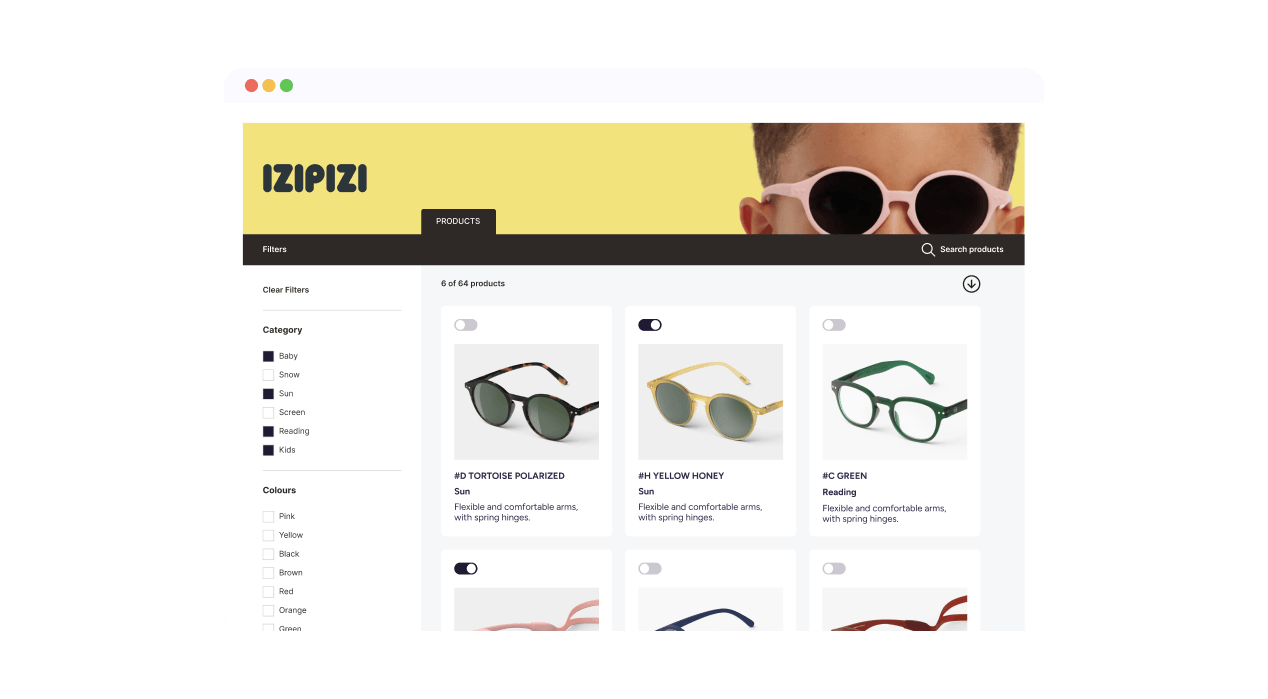
Brand Portals
-
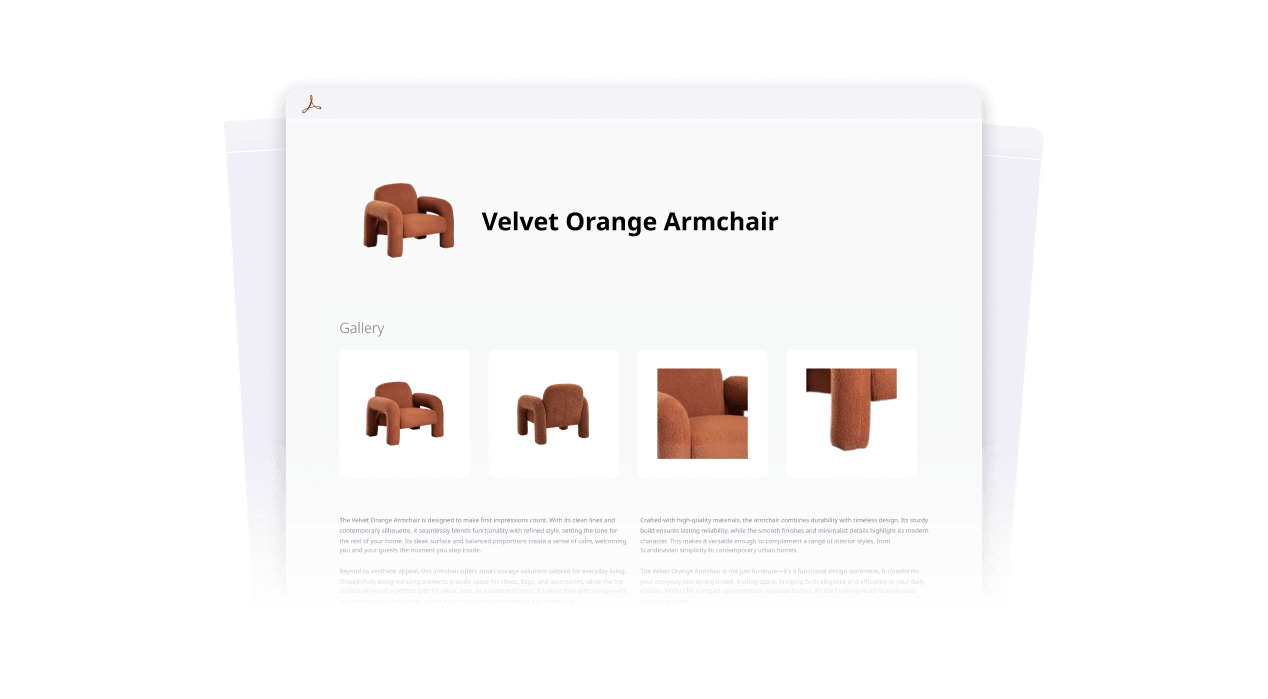
Product Data Sheets
-
Retailer templates
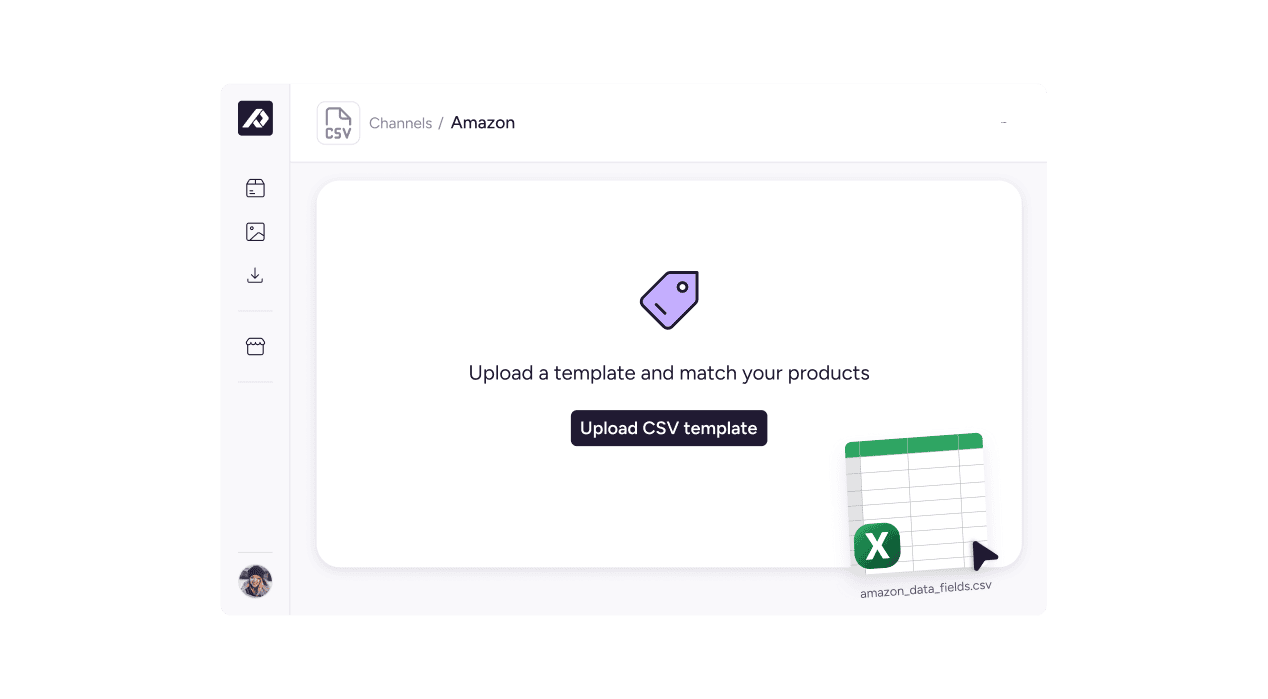












Enough with the endless emails.
Share product data faster and smarter.
Retailer template
Learn more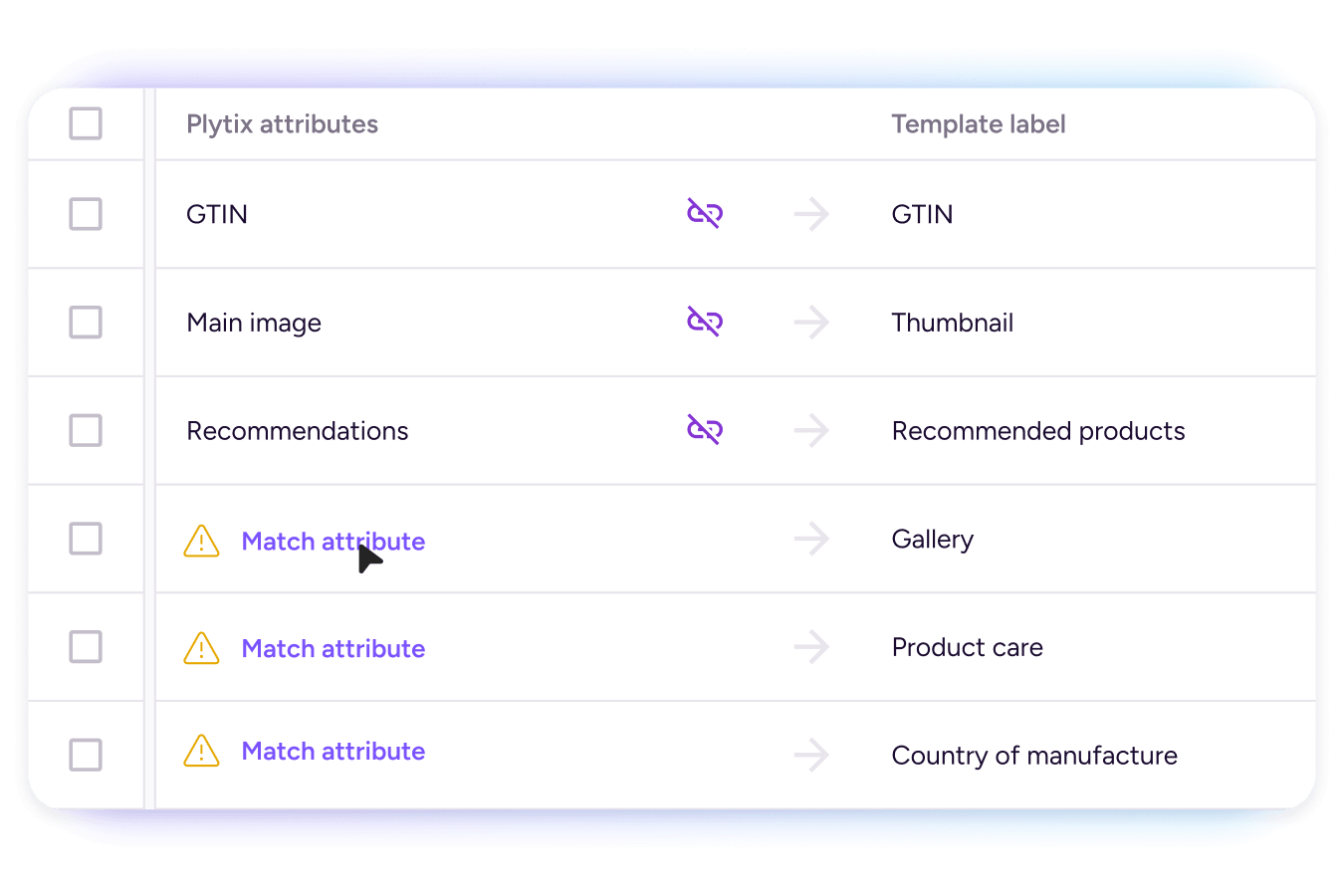
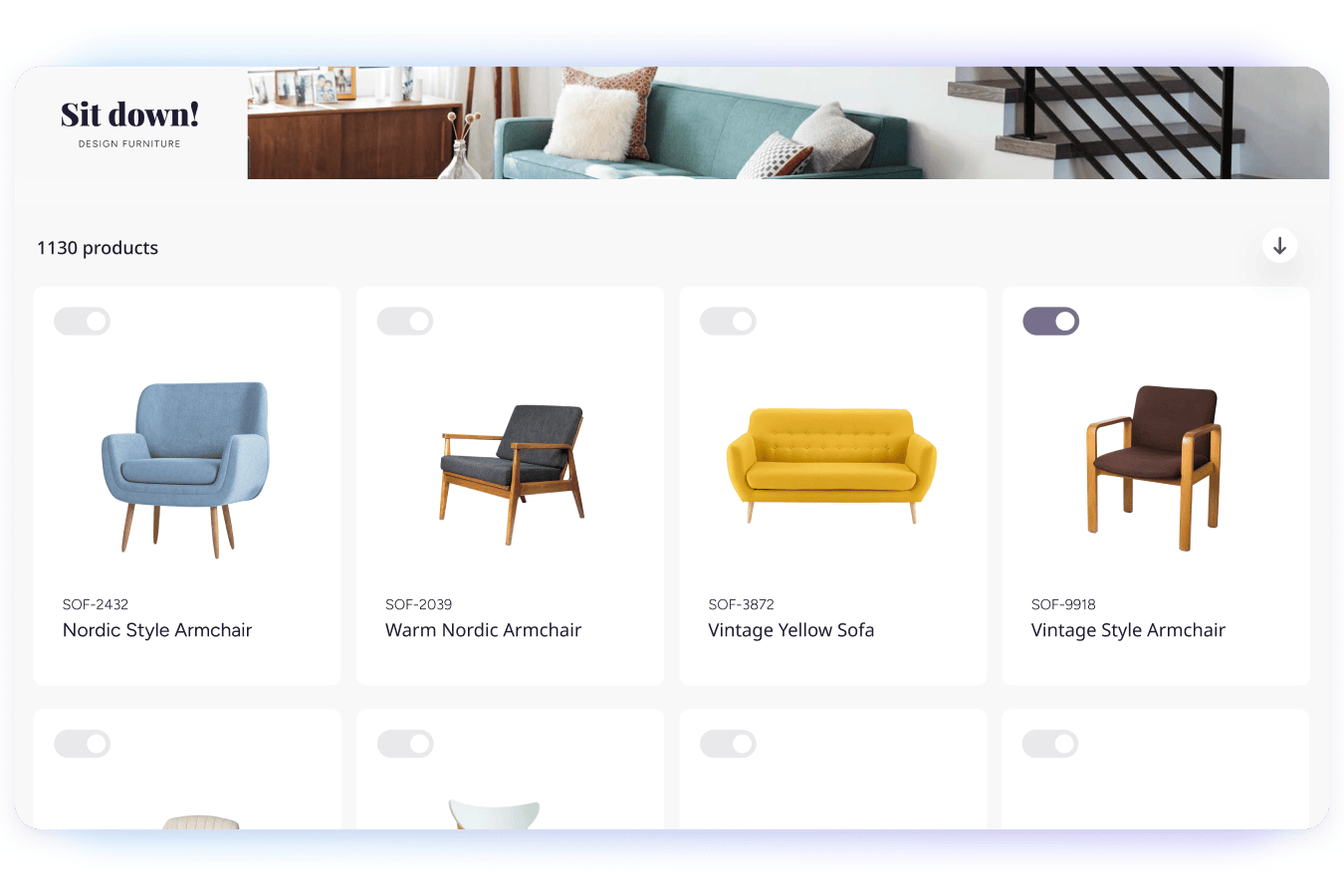
Brand Portals
Learn moreProduct Data Sheets
Learn more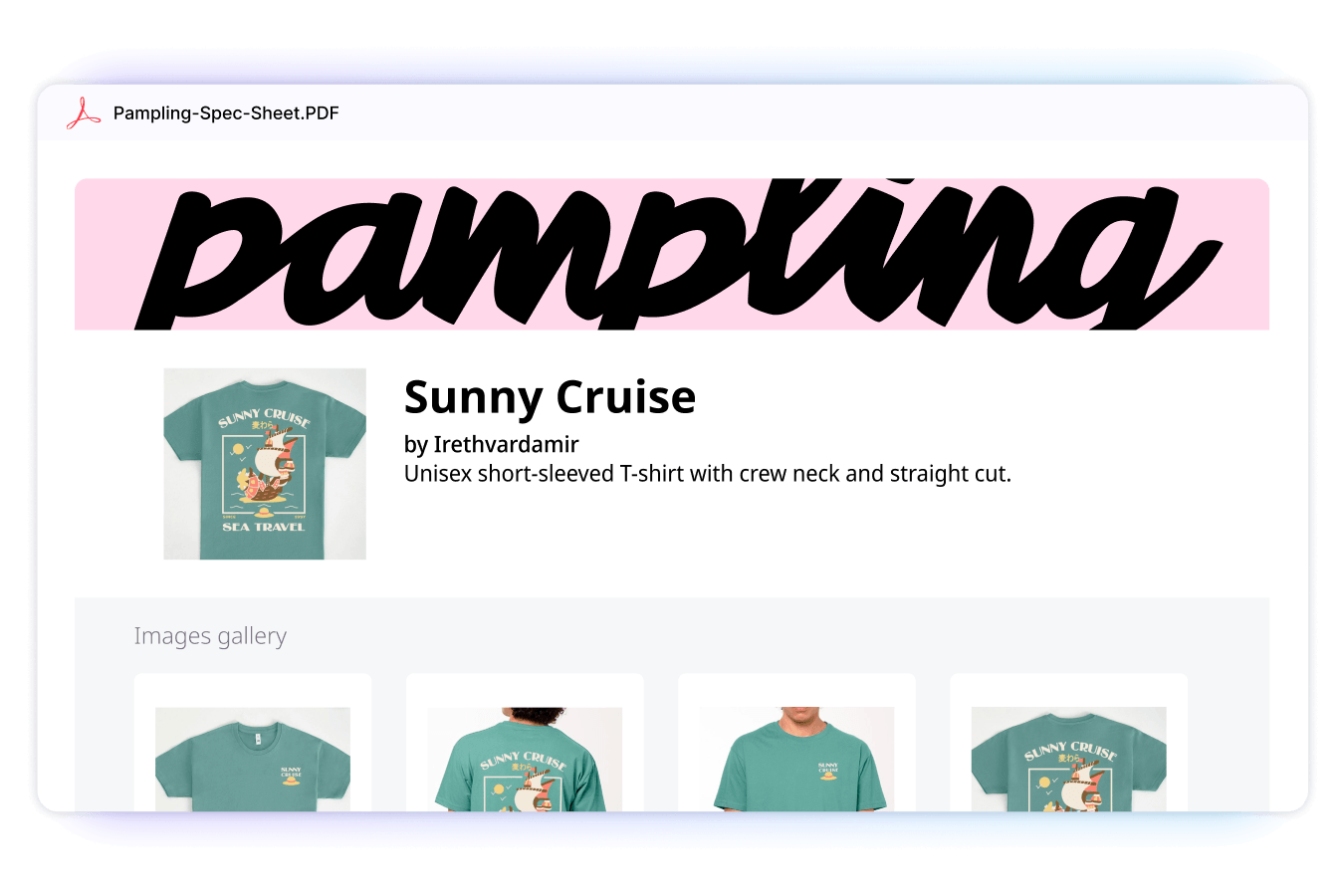
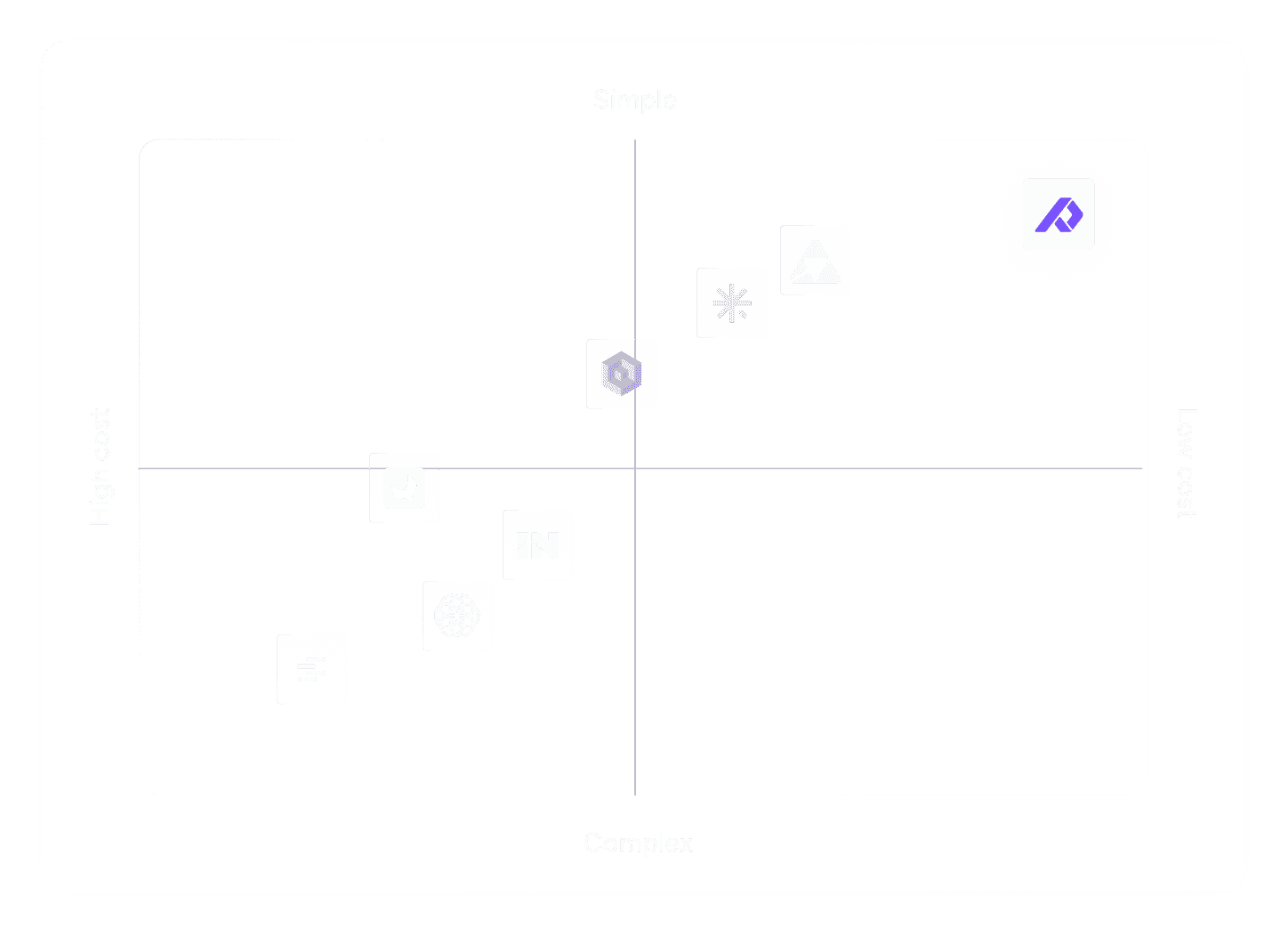
Nobody ever got fired for buying Plytix
Big decisions deserve real conversations. We’re here to help you make the right call.
FAQs
A PIM (Product Information Management) system is the single source of truth where all your product information (descriptions, prices, images, SKUs, and more) lives. Plytix PIM takes things a step further by making it easy to share that product information wherever you need it. You can sell anywhere using Channels and create online catalogs with Brand Portals.
If managing product data feels chaotic, a PIM can help. Plytix PIM brings all your product information from ERP systems, spreadsheets, or suppliers into one easy-to-use platform.
Any B2B business selling online can benefit from a PIM, but here are some signs it’s time to invest in one:
- You’re managing over 100 products
- Your team is growing every day
- More than 10 people are managing your product information
- You’re selling on more than one channel
A PIM ensures retail partners always have accurate, up-to-date product information without the back-and-forth.
With Plytix as your single source of truth, your product data (descriptions, pricing, assets, and more) is always reliable. The next step is sharing it in the way your retail partners need. That’s where our B2B features come in.
Whether you’re automatically formatting and sending product data with retail templates, giving retail partners 24/7 access to interactive catalogs with Brand Portals, or using automated Product Sheets to ensure they always have the latest information, Plytix makes it easy. The result? Fewer errors, faster time to market, and a seamless buying experience for your retail partners.
You need to use our PIM to access our B2B features because they are designed to work hand-in-hand. Think of our PIM as your product data HQ: a single source of truth where all your product information lives. With everything in one place, you can enrich your product data as a team, track what data you’re missing, and optimize for wherever you’re selling.
Now you know your data is up-to-date, our B2B features come into play. You can generate Product Sheets, create tailored Brand Portals, or format data to match your retailer’s templates straight from your Plytix account. That means your retail partners always get the right data, in the right format, ready to sell.
Absolutely! Plytix is built for B2B businesses that need to centralize, manage, and share product information with resellers, distributors, and retail partners. Our PIM makes it easy to manage your product data. And our B2B features ensure your partners always get the right information (whether you’re creating digital product catalogs, generating product sheets, or formatting data to match retailer requirements).
No. But they do work well together. Think of the ERP as the starting point, where products are created and tracked. Products are then sent to the PIM to manage and enrich product data, like adding descriptions, images, product details, and other assets like videos or manuals.
Once your product data is in the PIM, you can share it across multiple sales channels, ensuring consistency everywhere. In short, your ERP handles logistics, while your PIM keeps your product content accurate, detailed, and ready to sell.
Getting started with Plytix is easy. Here’s how it works:
- Book a quick call with our team: we’ll walk through the best setup for your account.
- Get access to a free account: your account will be ready, with the option for a free pilot of the plan you’re interested in.
- Start your onboarding: you can choose from one of our onboarding plans to help you get set up.
You build your setup in three simple steps. First, choose a base plan that fits your scale. Then, pick how many AI credits you want each month. Finally, you can add optional add-ons if you need extra distribution tools.
This way, you’re customizing your plan to your exact needs so you only pay for what you actually use.