
Product Information Management (PIM)
Managing your product content and digital assets is just easier when using Plytix PIM software
Get started
What is PIM?
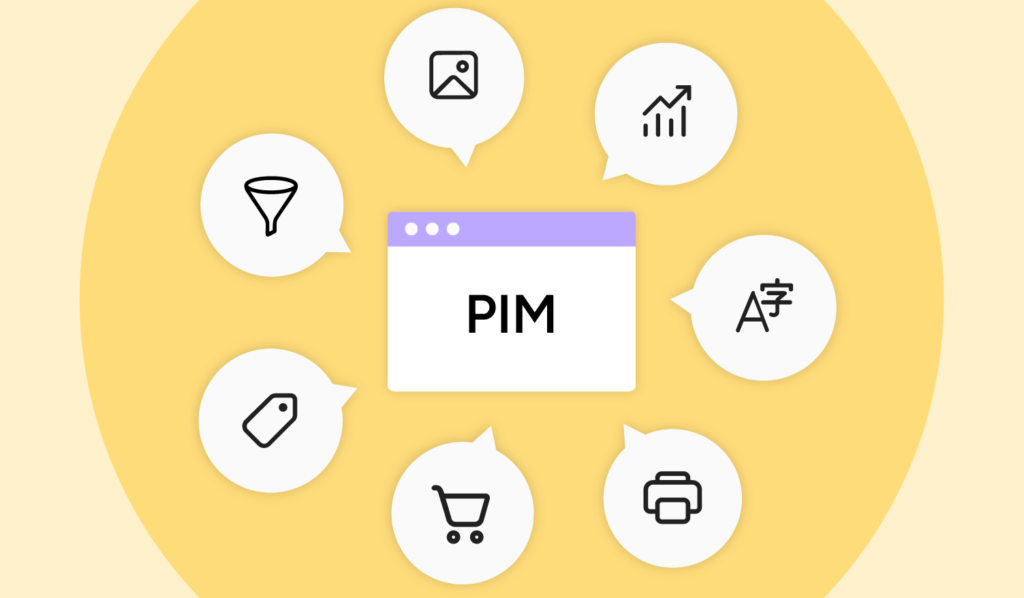
How does PIM software work?
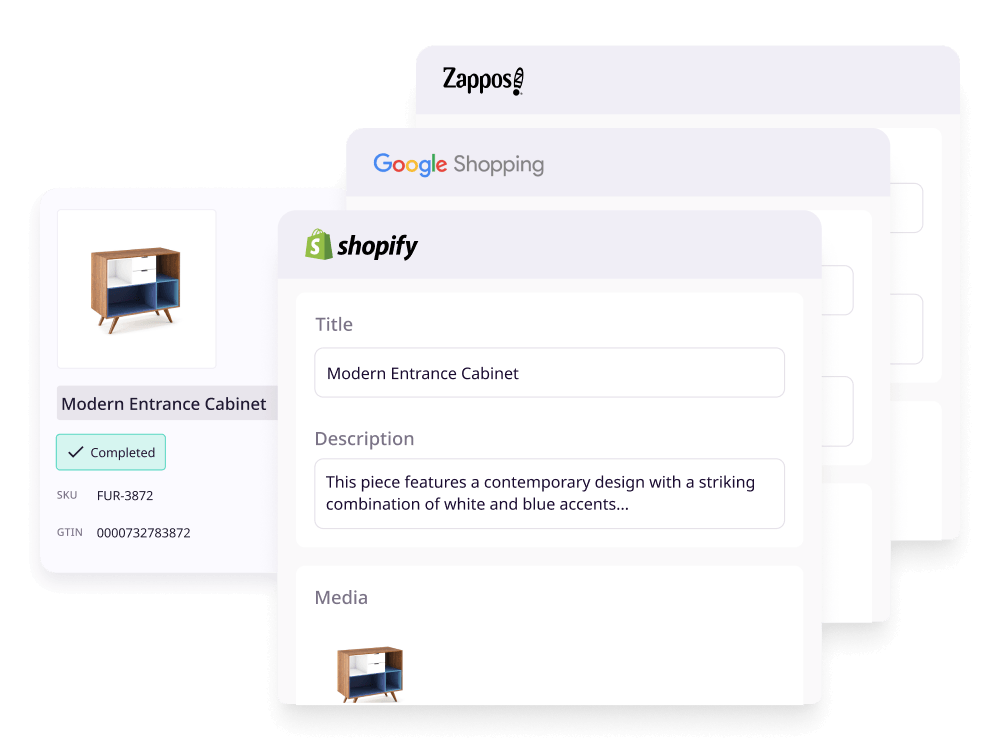
Want to learn more about how PIM works?
What are the benefits of using PIM software?

Central source of truth
PIM tools keep your product information and digital assets in one place because it’s easier when everything works together. No more asking which spreadsheet is actually the final version.


Better team collaboration, better workflow
A PIM solution is more than just a database for product information. Most PIM software has built-in project management functionalities and can bring the entire organization together in one platform designed for team collaboration.


No missing data and fewer mistakes
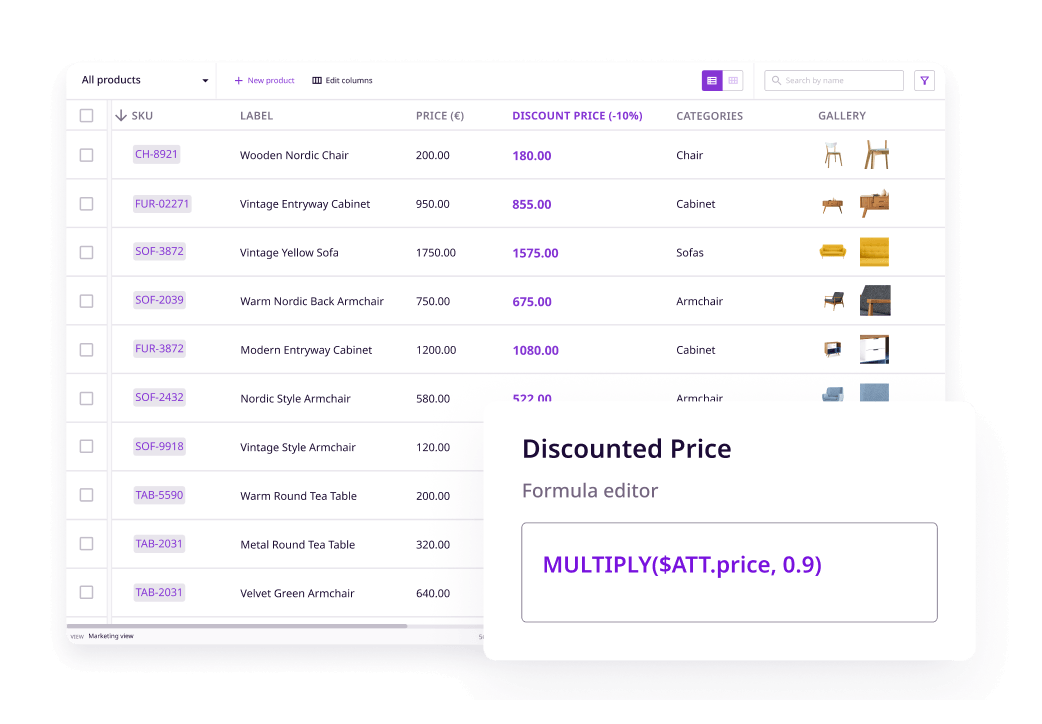
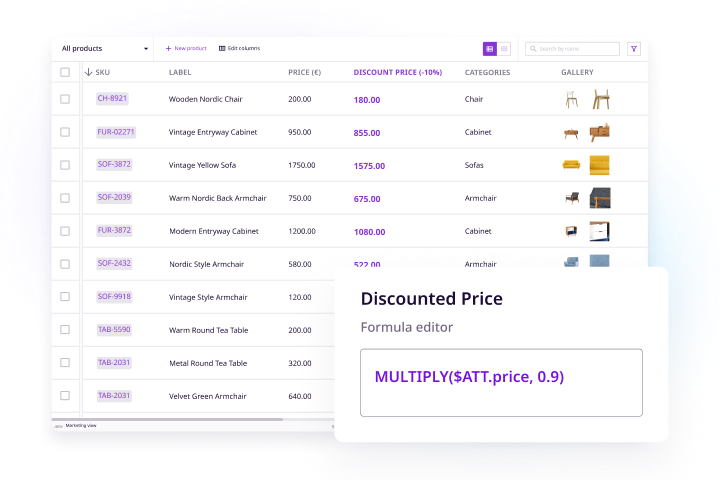
Keeping up with the requirements of your different sales channels, partners, and customers can be challenging. With computed attributes, you can use formulas to create discounts, change formats, and more all in one go.
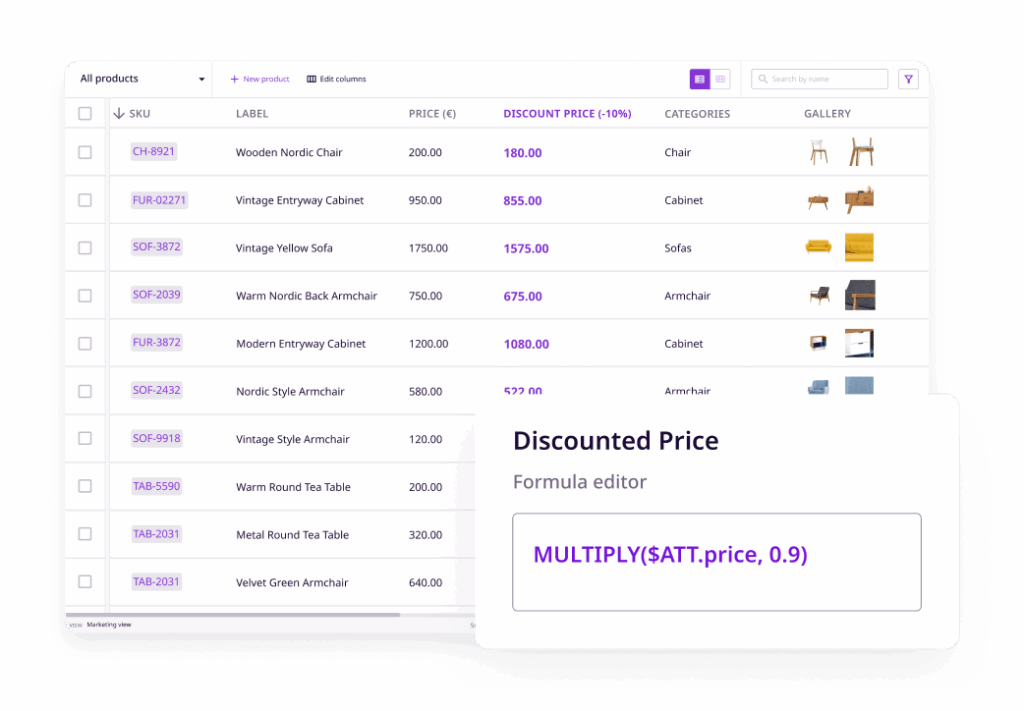

Designed to help companies sell more
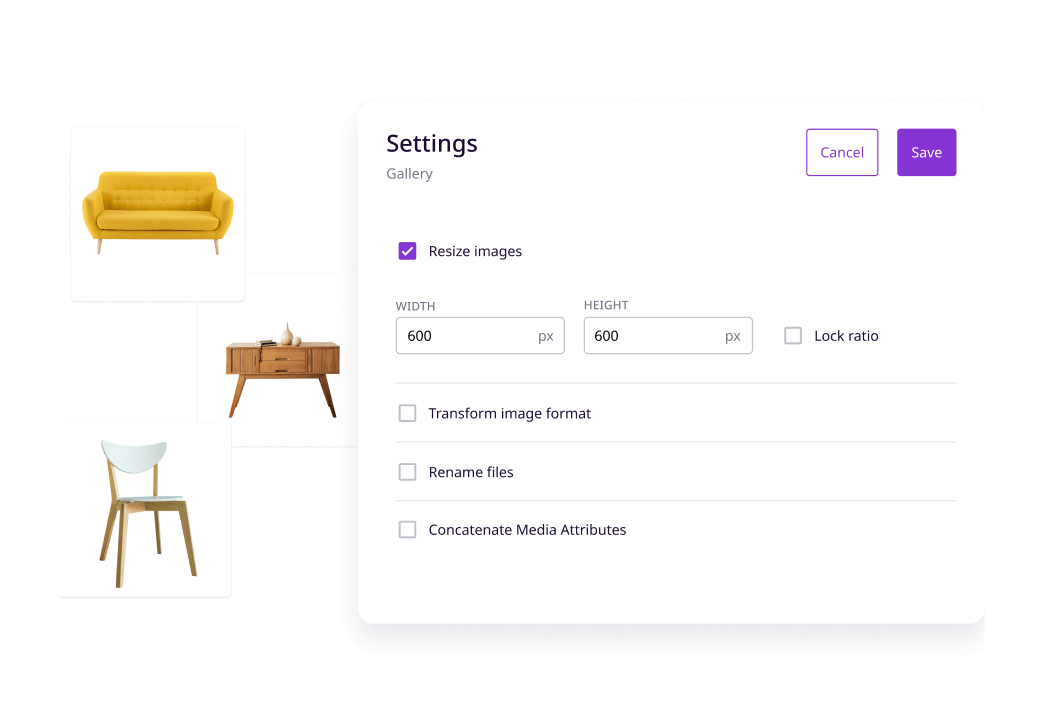
A PIM solution allows companies to create optimized product content that automatically gets sent to any connected sales channel, reducing time to market. A good PIM will even resize your images to match the requirements of the destination.
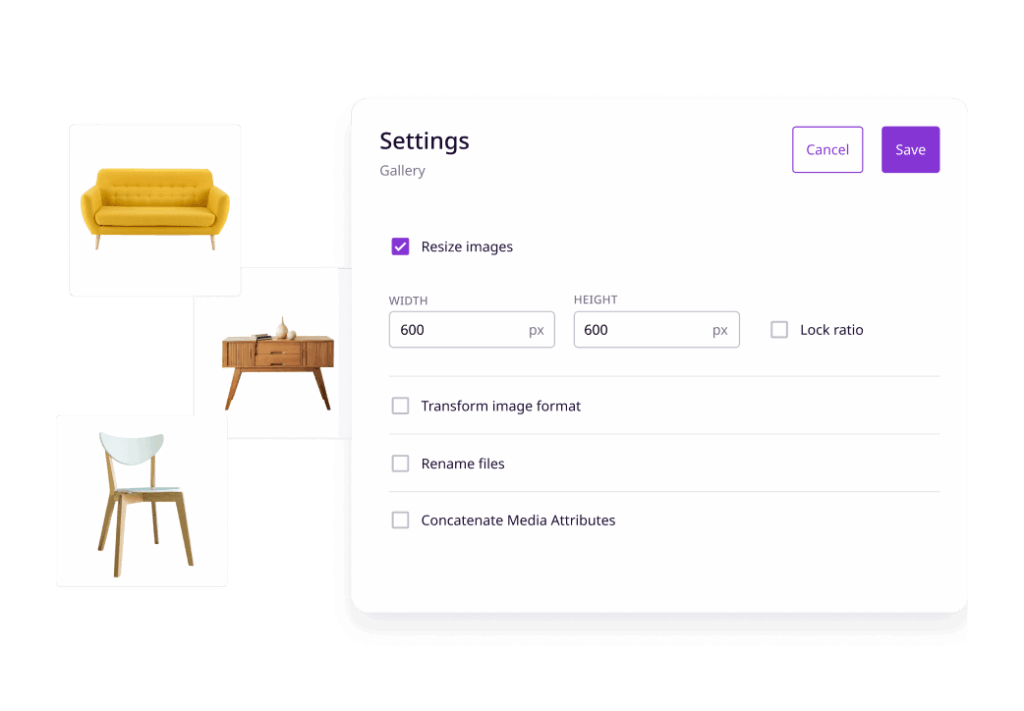


We’ve seen businesses double their sales after adopting PIM.
What features should you expect from PIM software?
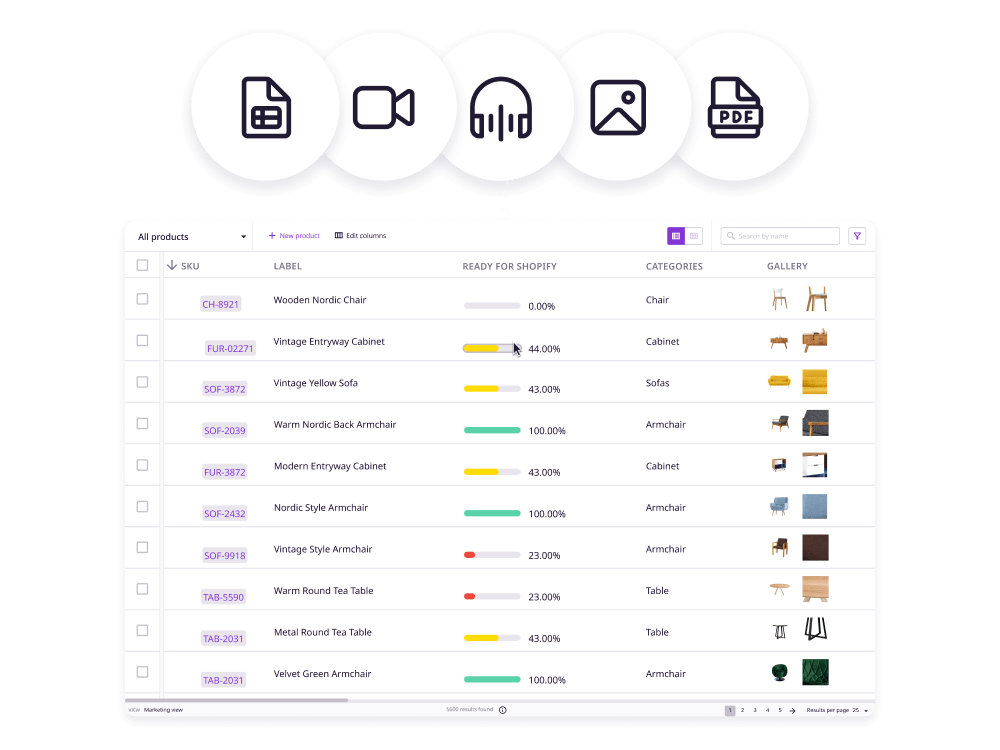
Product data management
Media asset linking
Importing options
Product data enrichment
Custom attribute creation
Category creation
Completion tracking
Product data transformation
Filtering options
Data validation
Product data syndication
Product catalog creation
Want to see the features behind the results?
Plytix PIM features that customers love
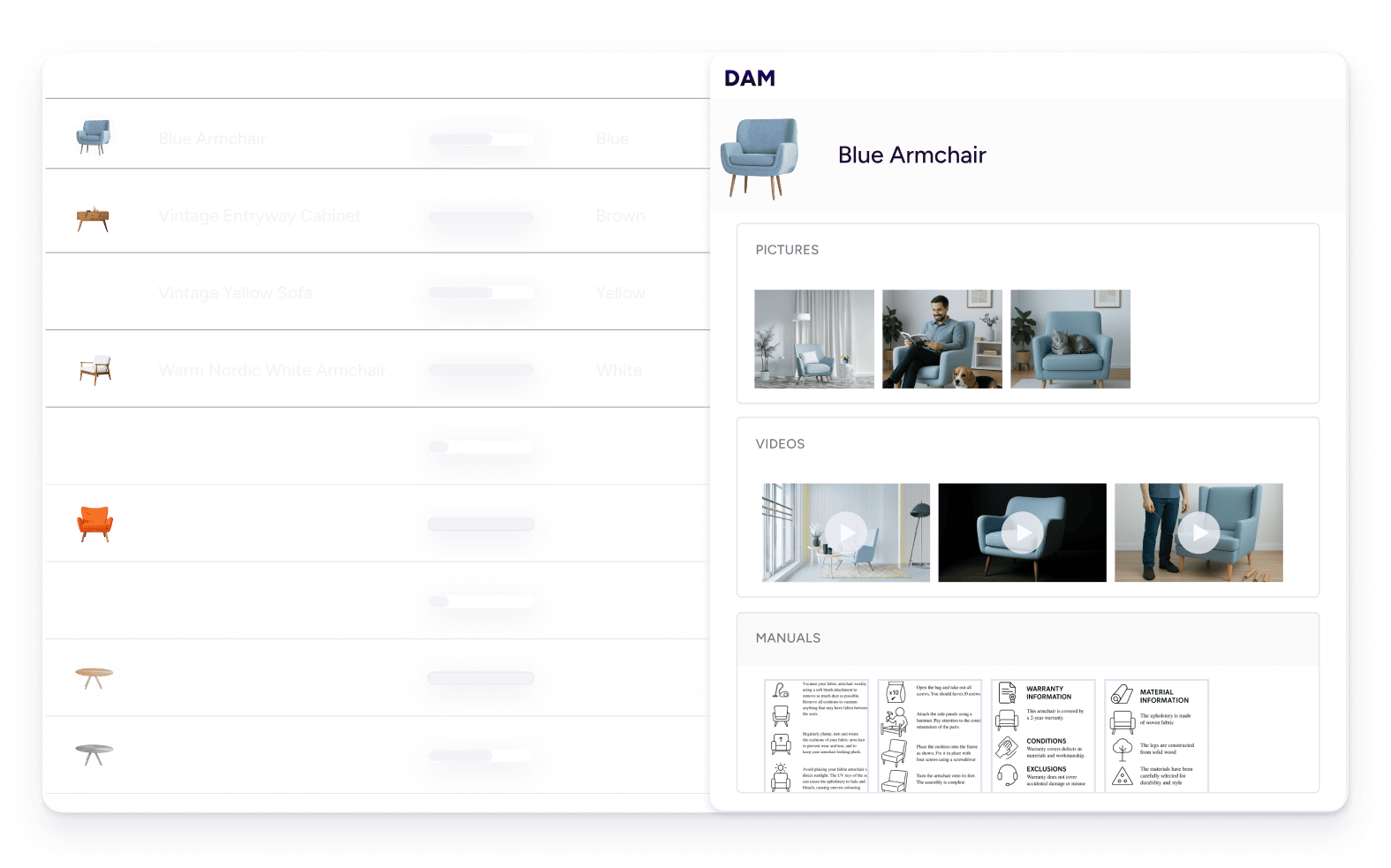
PIM DAM integration
A feature for your digital asset management
Because a PIM solution with DAM keeps all your assets where they belong—with your products. And let’s be honest, it’s just easier when your products and their photos, videos, and PDFs are all in one place.
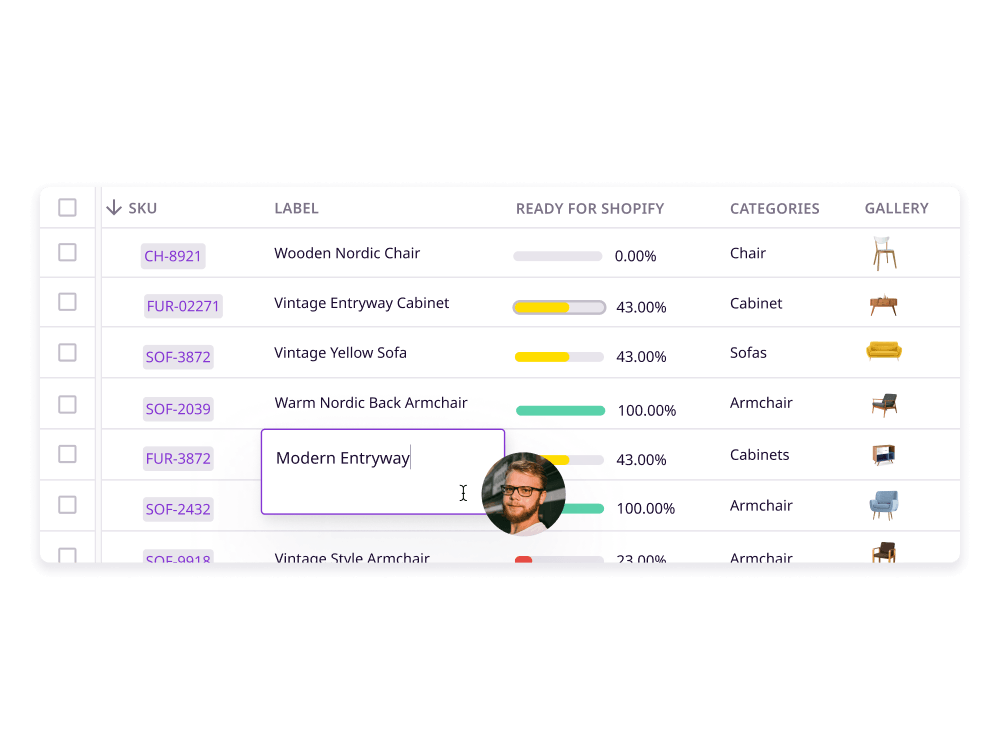
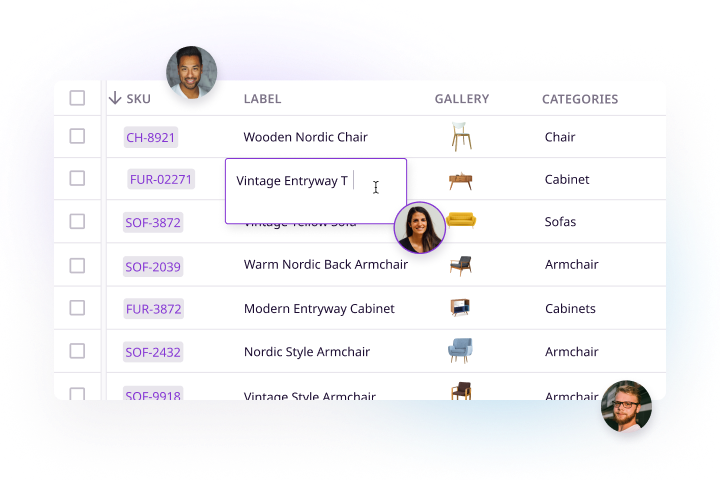
Direct editing
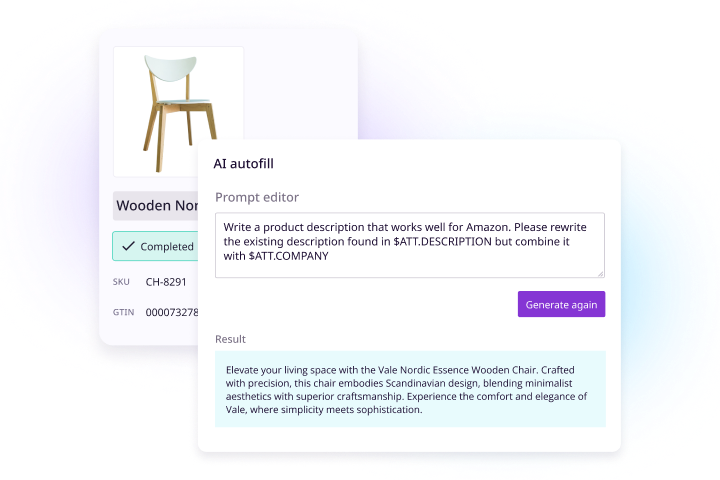
AI product description generator
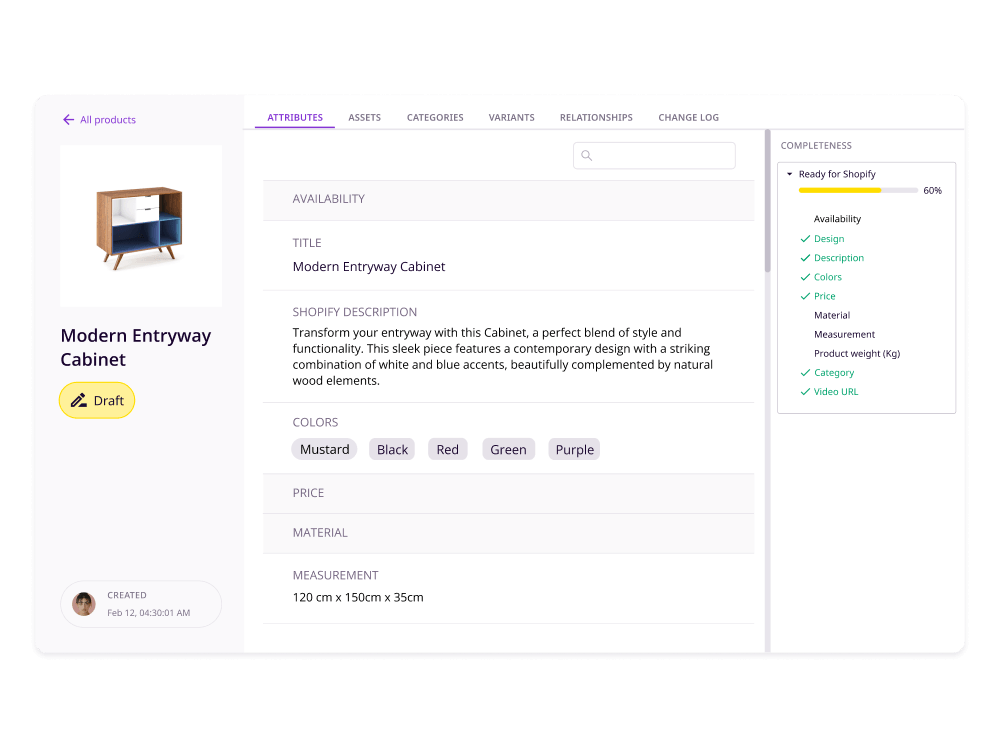
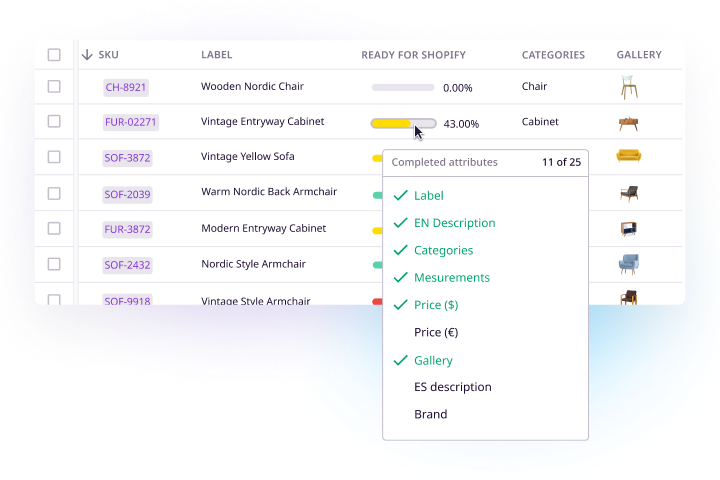
Product completion tracking
Computed attributes
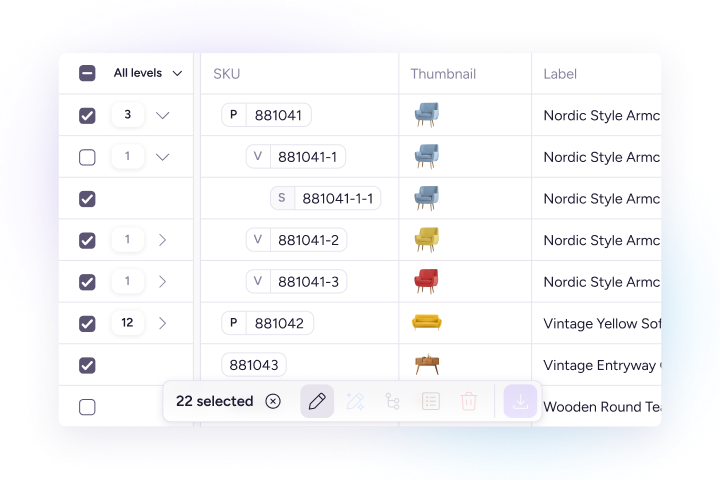
Bulk-editing
Thinking about trying Plytix?
What are the different use cases for a PIM tool?

PIM for Retail
PIM for Manufacturers
PIM for Distributors

How to implement a PIM system
Regardless of what PIM provider you go with, your PIM system can only work at its full potential if you set it up right. Here’s a look at what you’ll need to do to migrate and implement a PIM system successfully:
For a more detailed explanation, download this PIM implementation guide.
How to choose the right PIM solution
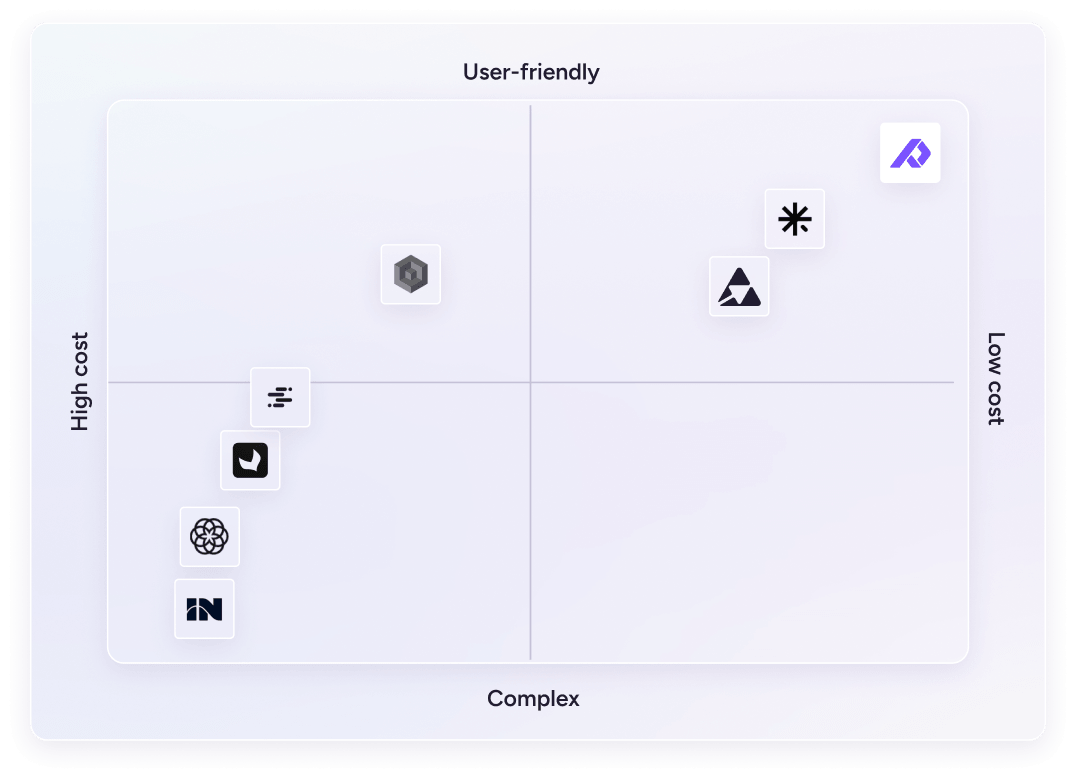
PIM solutions come in many shapes and sizes. With so many options, it’s not easy to navigate what solution is right for you.
To help you with your PIM decision, we created “The Ultimate PIM Buyer’s Guide.” This guide gives a PIM software comparison of the most popular PIM solutions on the market and helps you choose the right one for your business.

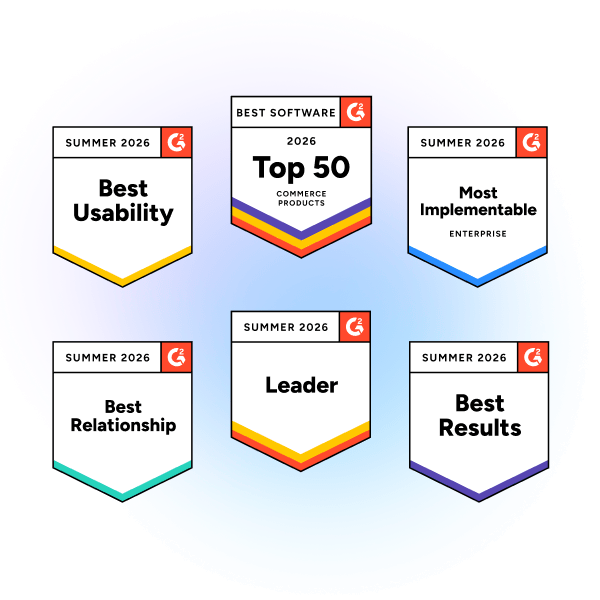
Why companies choose Plytix
FAQs
If you work with product information, then the answer is probably yes. You do need PIM software. Here are some other signs that you need a PIM:
- You sell on multiple sales channels.
- Product updates take too much time.
- Data accuracy is a constant challenge.
- Collaboration between teams is tricky.
- Your product catalog is growing quickly.
- Customizing product data for different platforms is difficult
PIM keeps all your product data in one place, so updates are faster, data is more reliable, and your team can collaborate easily. It’s a simple way to make managing your products easier.
A PIM demo is a personalized walkthrough of our software, designed to show you how PIM works and how it can solve your specific product data challenges. During the demo, you’ll see:
- How the software organizes your product information in a single, central place.
- Key features in action, like bulk editing, channel-specific exports, and image management.
- Ways PIM improves accuracy and saves time by reducing manual work.
- How it fits your business needs, whether you’re managing a growing catalog or collaborating with a team.
At Plytix, our PIM demo is done with one of our specialists. In the demo, you’ll see the product in action, ask any questions, and find out if Plytix is the right fit for your business. No pushy salespeople, no obligations—just a chance to see how we can help.
PIM is for anyone who deals with product information. Here’s a quick look at who benefits most:
- Ecommerce managers: To keep product details accurate and ready for every sales channel.
- Marketers: To organize and update content for campaigns and websites without the hassle.
- Content creators: To manage images, descriptions, and other assets all in one place.
- IT teams: To connect PIM with other tools and keep everything running smoothly.
- Sales teams: To quickly pull accurate product info and create custom presentations.
- Retail partners: To get the product data they need, formatted just right.
Whether you’re a small team or a growing business, PIM makes managing and sharing product information much easier.
A PIM system acts as a central place to keep all your product information organized and accessible. Here’s the type of data it stores:
- Basic product details: Names, SKUs, categories, and descriptions.
- Pricing information: Standard, promotional, or region-specific prices.
- Specifications: Dimensions, weights, materials, and other technical details.
- Digital assets: Images, videos, PDFs, and other related files.
- Localized data: Translations, currencies, and region-specific formats.
- Channel-specific information: Custom data tailored for platforms like Shopify, Amazon, or retail partners.
- Marketing content: Taglines, bullet points, and SEO-optimized descriptions.
With everything in one place, it’s easier to keep your product information consistent and up-to-date across all your sales channels.
PIMs come with all sorts of price tags. A PIM can have a free version (like Plytix) or cost up to over $50,000 per year.
At Plytix, we believe all businesses, big or small, deserve powerful technology. That’s why we’ve priced our PIM with all businesses in mind. Check out our Plytix pricing to see what plan best fits your business.